Meeting the Future of
Lithium Secondary Batteries,
the Core Driving Force
Behind Cutting-Edge Technology
Core Technology for Next-Generation Lithium Secondary Batteries
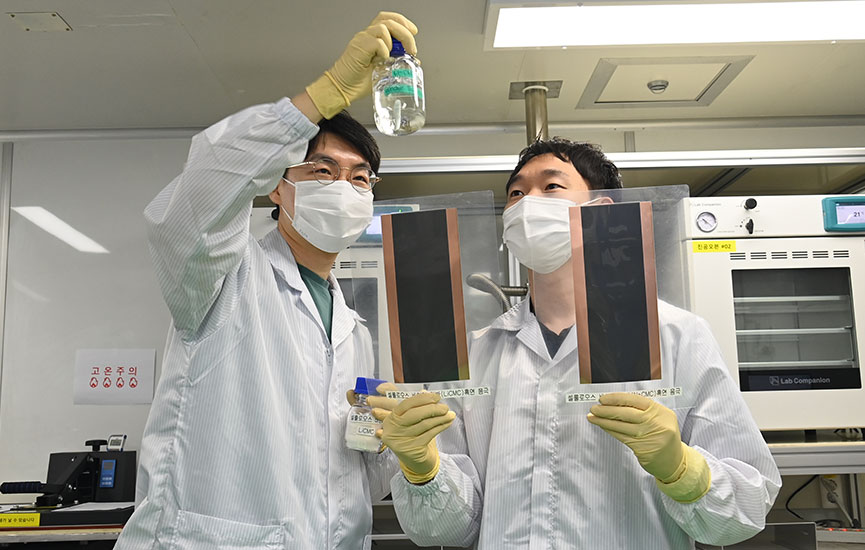
ETRI succeeded in developing a conductive binder material for all-solid-state secondary batteries, known as the next generation of lithium secondary batteries. A Korean research team has developed a new cellulose-based conductive binder, an environmentally friendly material, and applied it to the anode of all-solid-state secondary batteries. It is expected to help realize high-performance all-solid-state secondary batteries by maximizing energy density through an environmentally friendly and simplified manufacturing process.

Boost Energy Transfer Performance
All-solid-state secondary batteries, drawing attention as the next generation of secondary batteries, are battery systems that improve safety and energy storage density by switching the electrolyte that transports ions inside the battery from a liquid to a solid. This can achieve high energy density as bipolar electrode configurations and high-capacity lithium metal electrodes are allowed.
In a battery, the anode serves as a reservoir for the lithium ions that have migrated from the cathode. In particular, the anode material1)is an important factor that determines a battery’s charging speed, lifespan, and safety. The conductive binder developed by the ETRI research team is a type of anode material.
Although a binder accounts for a relatively small proportion of an electrode, it is coated onto the active material, the component responsible for energy storage, providing adhesion that facilitates charge transfer and thereby ensuring the performance of all-solid-state batteries. However, to improve energy transfer efficiency and performance, the application of ion-conductive binders that reduce interfacial resistance between active material particles is required.
1)Anode material: A material that receives lithium ions released from the cathode at the anode when a secondary battery is charged; carbon materials such as graphite are most commonly used.
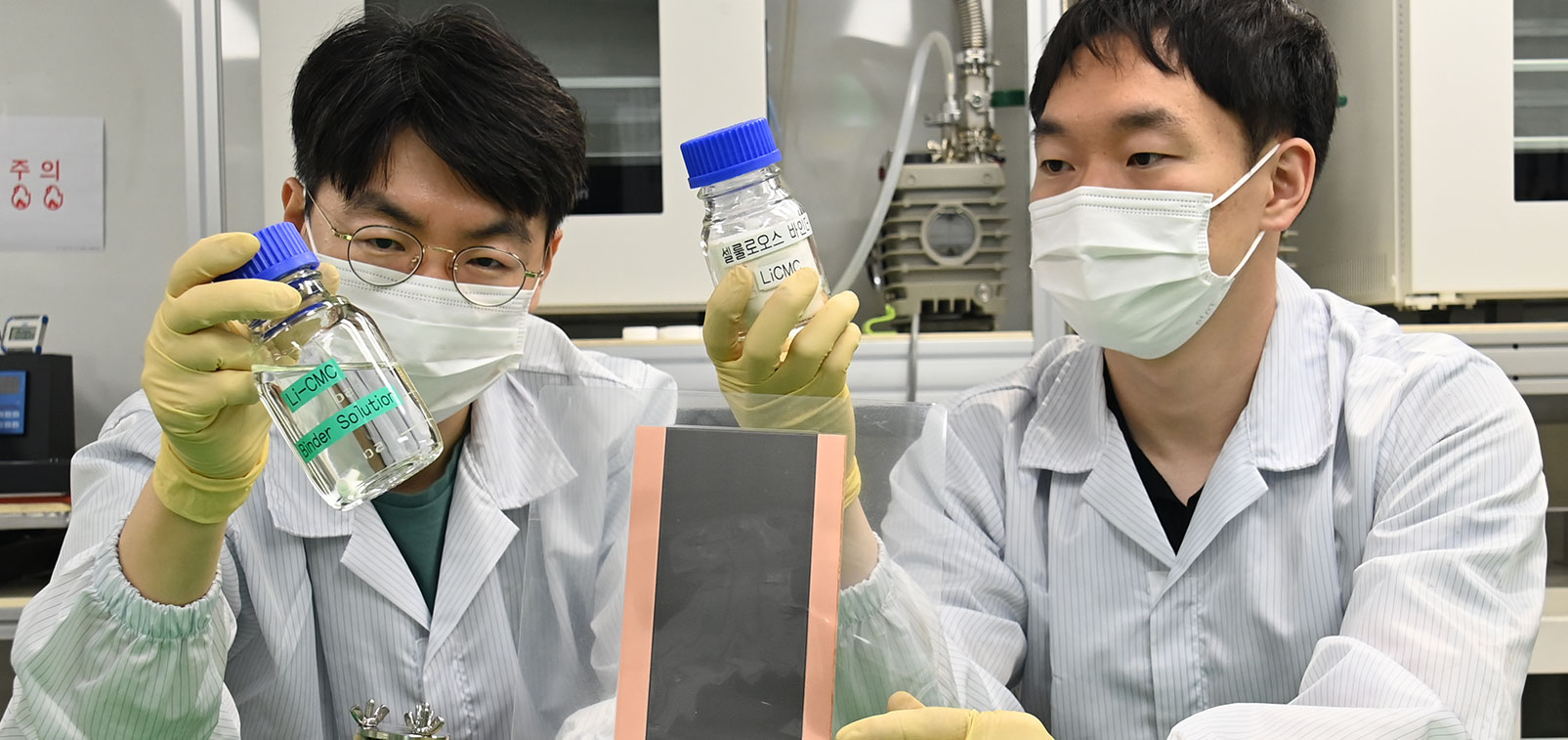

Ion-Conductive Binder Developed by ETRI
Using commercially available cellulose-based materials, ETRI developed a high-quality ion-conductive binder through an acid-treatment process optimized for mass production. The research team applied the binder to a graphite anode to create a new electrode structure. In the researchers' electrode structure, electrolyte components were completely excluded to simplify the manufacturing process and maximize energy density, and it consists of more active material. In other words, the role of lowering interfacial resistance between active materials becomes even more important.
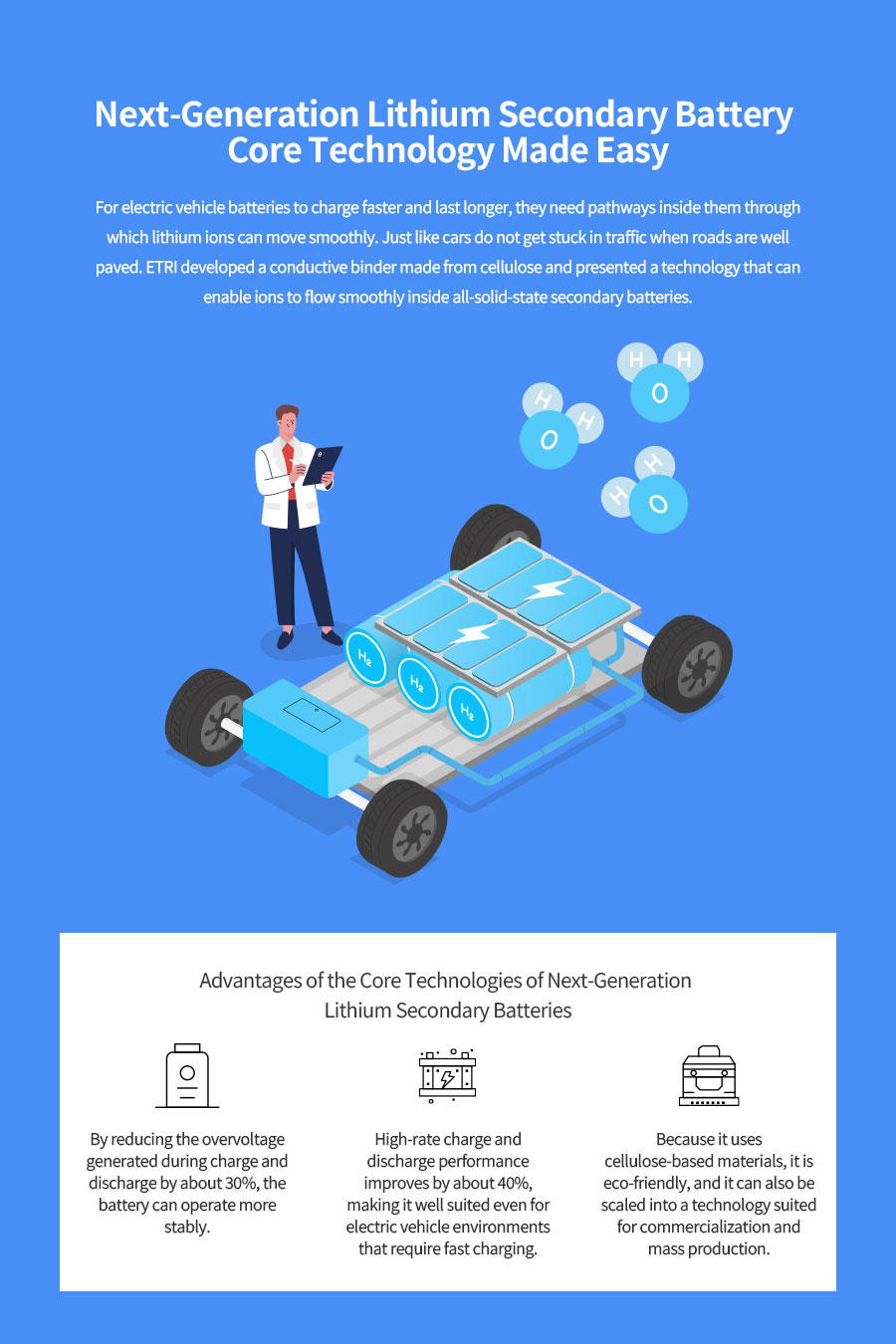
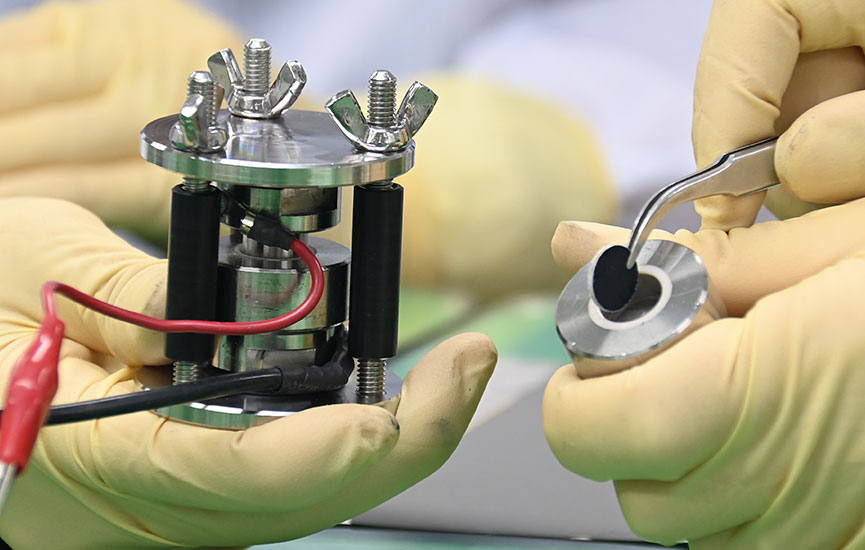
Through various electrochemical evaluations and analyses, the research team confirmed an improvement in conductivity at the interface of graphite active material particles, including an approximately 30% reduction in charge-discharge overvoltage and an approximately 40% increase in high-rate charge-discharge performance compared with conventional non-conductive binders.
As overvoltage decreases, internal battery resistance also decreases, making stable operation and longer battery life possible. In addition, it improves charging performance by maintaining energy transfer efficiency even during fast charging. Another feature is the use of sustainable, eco-friendly cellulose-based materials.
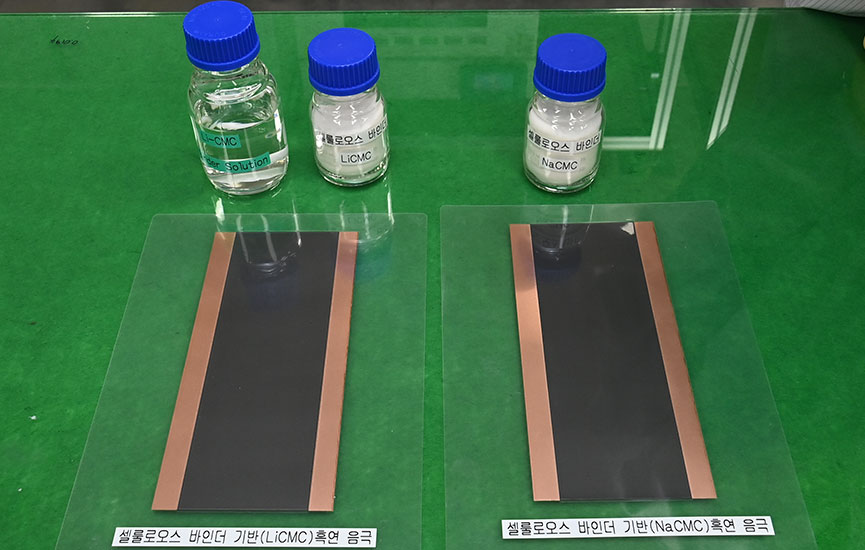

Advancing Further with Ion-Conductive Binders
With the ETRI research team having laid the groundwork for addressing safety and stability, the chronic challenges of secondary batteries, research aimed at expanding the use of secondary batteries in electric vehicles, robots, and energy storage systems (ESS) is expected to accelerate.
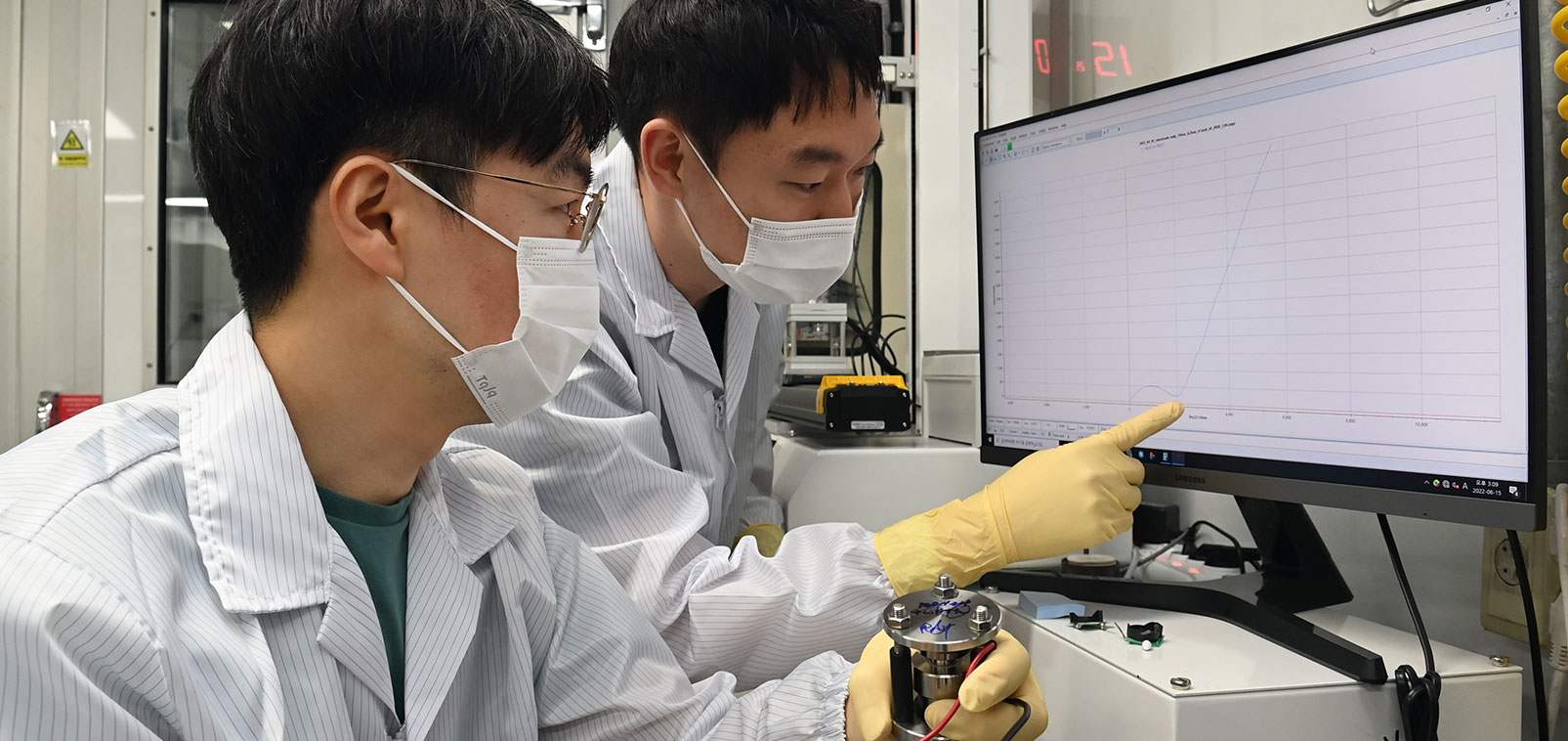
In this study, the research team focused on applying the newly developed binder material to graphite electrodes, but going forward, the team plans to extend its research to high-capacity anode materials in order to realize high-energy-density electrodes for all-solid-state batteries.
Meanwhile, this achievement was published online in the latest issue of the world-renowned journal in the field of energy materials, ‘Energy Storage Materials,’ demonstrating its excellence.