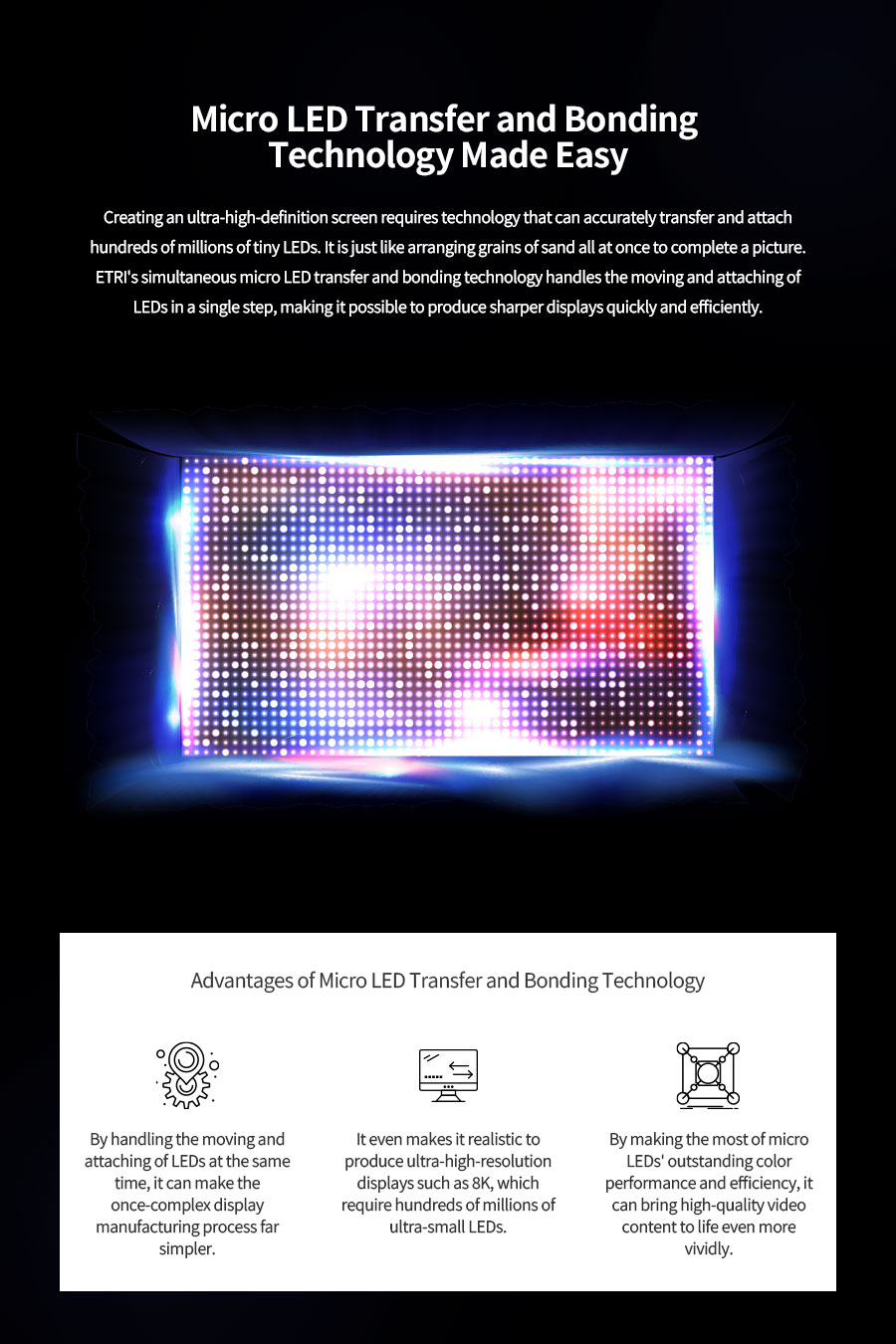

Enjoy high-quality
content more vividly
Micro LED Transfer and Bonding Technology
In 2021, the media ecosystem was shaped more by environmental factors than by technological advances.
This was because media consumption surged explosively as people spent more leisure time at home.
In fact, real-time TV viewing increased, and the number of VOD views also rose.
In broadcasting, online-based content began to appear; traditional media, whose ratings had been declining, also made gains; and new media such as YouTube and TikTok began to show even greater strength.
• • •
Media Content
Comes Into Our Lives
Media has steadily evolved in various forms. After the invention of paper, mail, printing, newspapers, the telegraph, and the telephone emerged; in the 1920s radio stations appeared, and in the 1930s TV stations emerged, establishing themselves as traditional forms of media. Subsequently, personal computers, which emerged in the 1980s, connected the world through the internet and introduced another form of media; then in 2007, the unveiling of the iPhone brought media even more deeply into our daily lives.
Traditional media such as newspapers, radio, and TV are still with us, but recently media content produced by "creators," such as those on YouTube and TikTok, and the platforms that deliver that content have come to reign as the dominant force in the market. The same is true of OTT (Over The Top) services, which bring together movies and TV programs on a single platform. Netflix, often called the "giant" of the OTT industry, posted KRW 7.3 trillion in revenue in 2020 alone.
Since COVID-19, demand for such media content has increased even more. According to a survey by app and retail analytics service WiseApp·WiseRetail, as people spent more time at home, Koreans' usage time on the Netflix and TikTok apps in 2020 rose by 159% and 150%, respectively, compared to 2019, while usage time on Instagram and YouTube also increased by 35% and 20%, respectively.
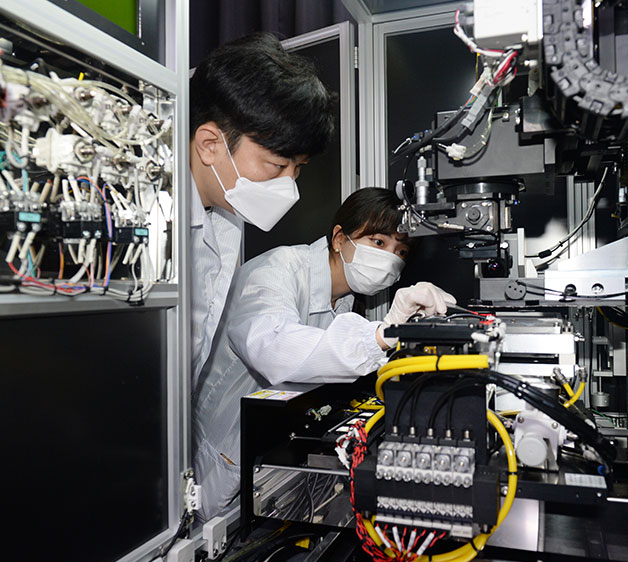
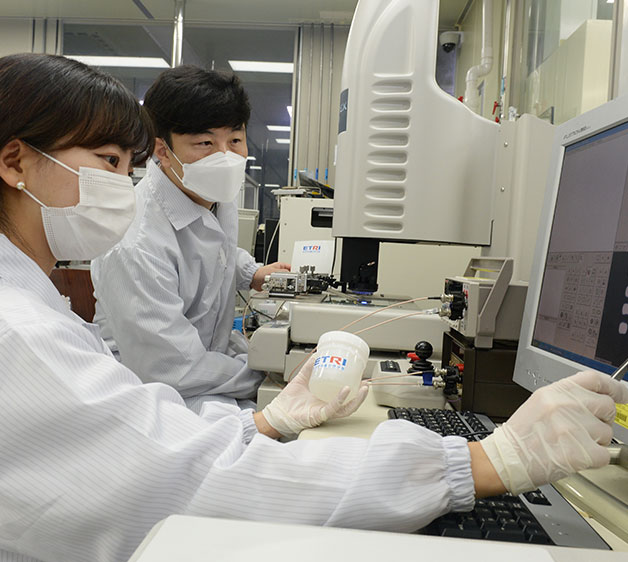
Changes in the form of media content and in platforms have also had a significant impact on the media device market. This is because demand for devices used to consume media has increased. Domestic laptop sales, which had been steadily declining since 2012, surged after COVID-19 and recorded their highest level in nine years. Monitor sales also increased by 61% in a single year, and tablet PC sales rose by 11% as well.
The Correlation Between Content and Displays
What do devices used to consume media content have in common? It is that they all have screens—in other words, displays. Even at a glance, we can see that our daily lives involve various devices such as TVs, smartphones, tablet PCs, smartwatches, and VR·AR glasses, showing that the display market has strong growth potential.
Market research firm Counterpoint Research forecasted that the smartphone market in 2021 would grow by 11% compared with 2020, and that wearable devices such as smartwatches would increase by 19%. Especially in the smartphone market, the emergence of foldable displays and 5G mobile communication technology is expected to increase the availability of high-quality content services, further boosting demand for new products.
One objective criterion that determines the quality of visual content such as videos and photos is the image quality of the content itself. Content image quality, such as contrast ratio, resolution, sharpness, and color gamut, is an important indicator that consumers use to judge the quality of visual content. At the same time, it gives content creators the flexibility to shape content according to their intent. However, no matter how good the content's image quality is, it means nothing if the display cannot reproduce it. This is exactly why displays such as OLED and mini LED never stop evolving.
ETRI, a Problem Solver in the Display Market
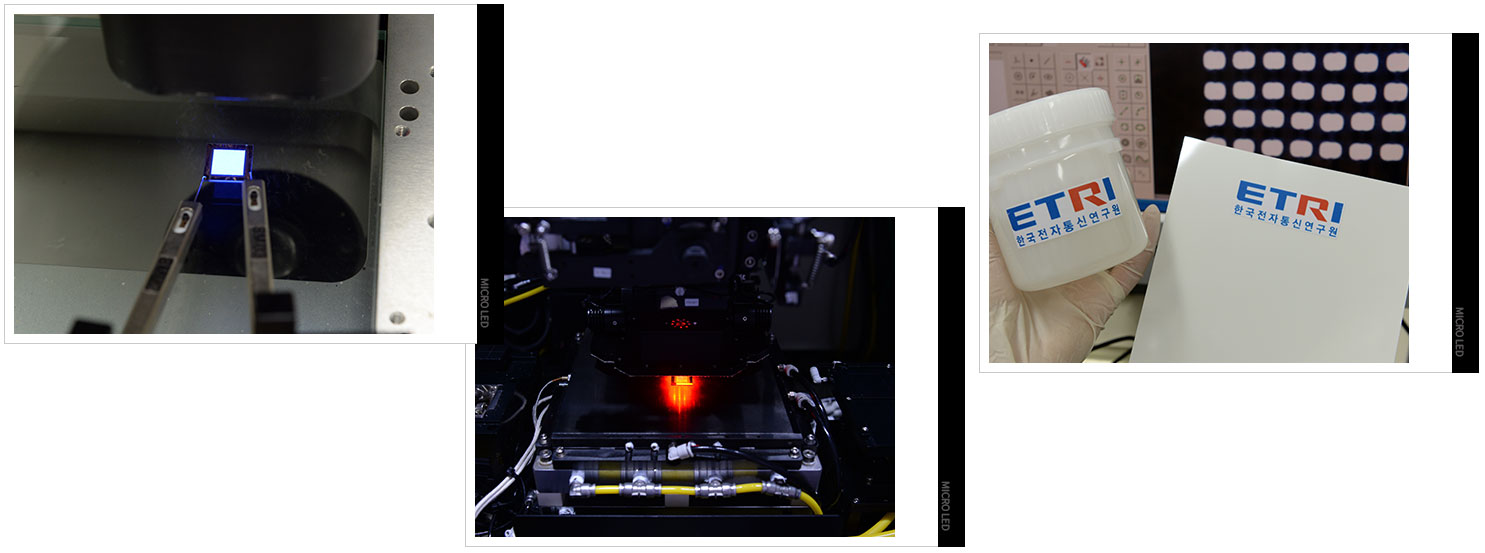
Against this backdrop, a Korean research team has overcome the limitations of existing micro LED displays by developing core technologies and new materials for micro LED1) displays, the next-generation display technology. A micro LED display is a next-generation self-emissive display that uses extremely small LEDs, measuring 10 to 100 micrometers (㎛), as pixel light sources. Micro LED displays can produce more vivid colors than LCD or OLED displays and offer the advantage of high efficiency, so they are expected to be used in a range of fields, including TVs and smartwatches.
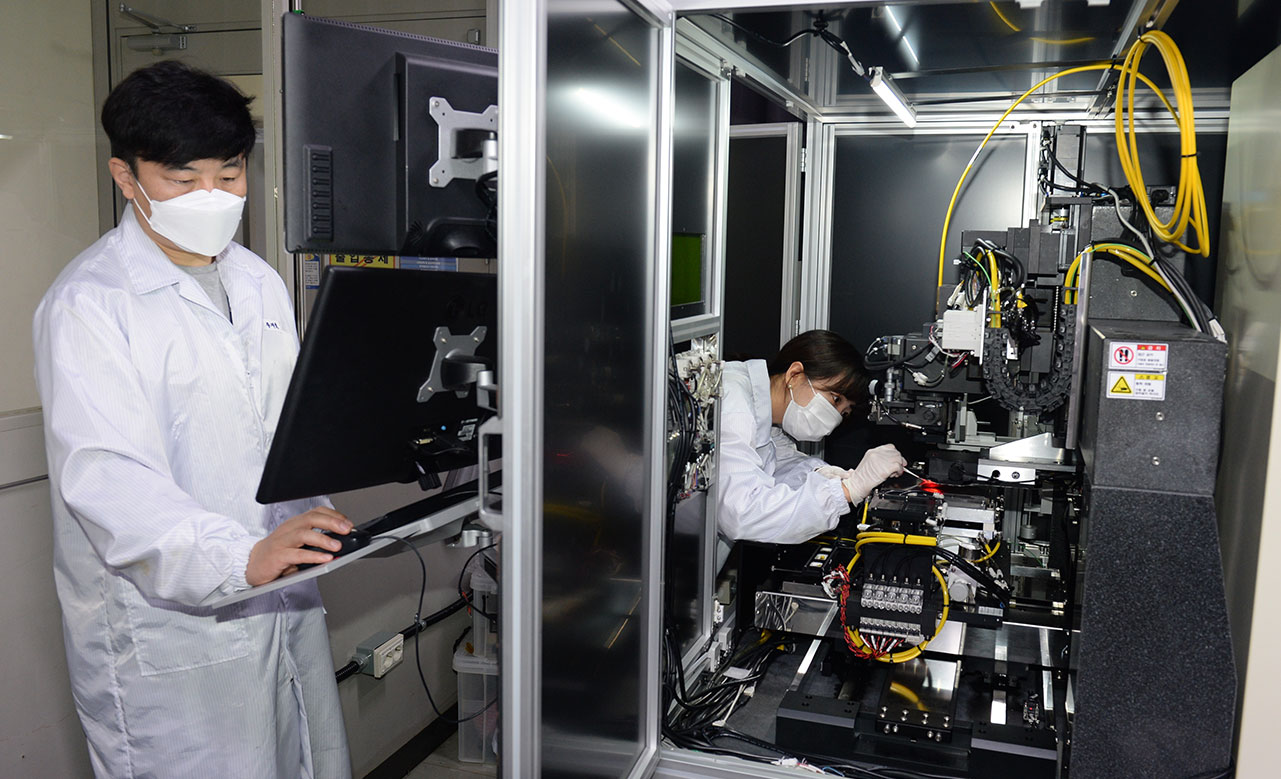
For micro LED displays, micro LEDs must be fabricated through a semiconductor process and then transferred onto a display panel. In the case of the 8K TVs that have recently emerged, as many as 100 million micro LEDs are required, and because they are so small, transferring and placing them takes a great deal of time. To accomplish this, the approach used until now has been to carry out a bonding process for placing the LEDs after a transfer process for moving them, but the high cost of such transfer and bonding equipment, along with the very long processing time, made commercialization difficult. However, the new technology developed by ETRI reduced the cost of this transfer and bonding equipment and the time required for the process to 1/10, and also reduced the time and cost required for the process to 1/100.
As demand for content grows, competition among electronics companies over technological capabilities is naturally intensifying, both to raise the quality of the content itself and to render that content more faithfully. We hope that, through ETRI's development of core technologies and new materials, Korean companies will lead the market on the strength of next-generation display technology and contribute greatly to helping people around the world enjoy high-quality content.